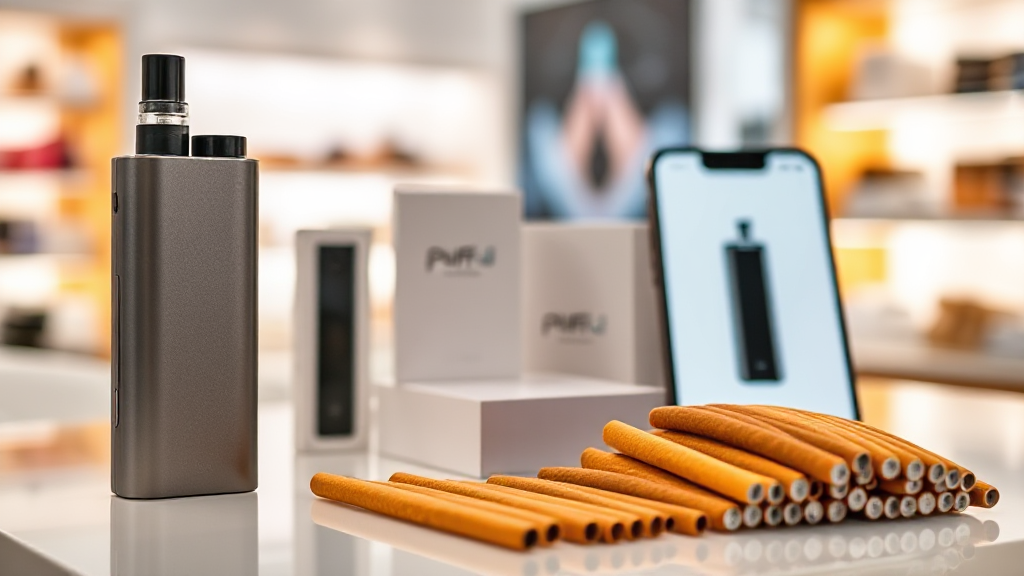
How Heat-Not-Burn Devices Work, and How to Read the Specs Online
If you have ever looked at a heat-not-burn device and wondered how it can release tobacco flavor without a flame, you are not alone. The core question is simple: how does a battery-powered gadget heat a tobacco stick enough to produce an aerosol, yet avoid the combustion that defines a traditional cigarette? The answer sits at the intersection of heating element design, temperature control, and stick engineering. This plain-language technical tour walks through the mechanism step by step, then explains how those specifications show up in online product listings — including the ones you will find on puff-eu.com.
The Basic Principle: Heat Without Combustion
Combustion is a chemical reaction that requires oxygen and typically reaches temperatures well above 600°C. At those temperatures, tobacco burns and produces ash, tar, and smoke. Heat-not-burn (HNB) devices take a different route. They use an electrically powered heating element to raise the temperature of specially designed tobacco sticks to a controlled range — usually somewhere between 200°C and 350°C, depending on the system. At that level, the tobacco is heated but not ignited. The result is an aerosol that carries nicotine and flavor compounds without the full combustion byproducts.
The key distinction is that HNB devices do not rely on a smoldering ember. There is no open flame, no ash, and no sidestream smoke in the traditional sense. Instead, the device acts as a precision heater. The tobacco stick is inserted into a chamber, and the heating element transfers energy to the tobacco either from the inside (a blade or pin that penetrates the stick) or from the outside (a surrounding oven or cup). The device’s firmware monitors temperature and adjusts power delivery to keep the heating profile consistent from puff to puff.
This is why HNB products are often described as “heated tobacco” rather than “smoked tobacco.” The engineering challenge is to deliver enough heat to release volatile compounds while staying below the threshold where pyrolysis and combustion take over. That balance is what separates a well-designed device from a mediocre one.
Inside the Heating Element: Blade, Oven, and Induction Systems
Most heat-not-burn devices on the European market fall into one of three heating architectures. The first is the internal blade or pin heater. A thin ceramic or metal blade sits at the center of the device and pierces the tobacco stick when you insert it. The blade heats from the inside out, which allows for rapid warm-up and a compact device design. The trade-off is that the blade must be cleaned regularly, and the stick must be aligned correctly to avoid breakage.
The second architecture is the external oven or cup heater. The tobacco stick sits inside a heated chamber, and the walls of the chamber transfer heat to the tobacco. This design tends to produce a more even temperature distribution around the stick and is often easier to clean because there is no central blade. Warm-up times can be slightly longer, and the device may be a bit bulkier, but many users find the draw more consistent.
The third approach is induction heating, which uses an oscillating magnetic field to heat a susceptor inside the device or the stick. Induction systems can reach target temperatures very quickly and offer fine-grained control, but they are more complex and typically found in premium models. Each architecture has its own maintenance routine and its own set of specifications that buyers should look for in an online listing — things like heater type, warm-up time, and cleaning method.
When you browse product pages, pay attention to whether the device uses a blade, an oven, or induction. That single detail tells you a lot about how you will use the device day to day. A blade heater usually means you will need a cleaning tool and a steady hand when inserting sticks. An oven heater often means a simpler cleaning routine but a slightly larger device. Induction heating usually signals a higher price bracket and faster time-to-first-puff.
Temperature Control: The Firmware Behind a Consistent Puff
Temperature control is the invisible engine of any heat-not-burn device. The device does not simply apply maximum power and hope for the best. Instead, a microcontroller reads temperature data from a sensor — often a thermistor or a thermocouple — and adjusts the power delivered to the heating element many times per second. This closed-loop control keeps the tobacco within a narrow temperature band, which is critical for flavor consistency and for avoiding overheating.
Most devices offer multiple temperature profiles or modes. A lower-temperature mode might emphasize flavor and use less tobacco per puff, while a higher-temperature mode might deliver a stronger nicotine hit and more aerosol. Some devices also include a boost mode that briefly raises the temperature to simulate the first few draws of a cigarette. The firmware may also implement a puff-count limit or a session timer, after which the device shuts off to prevent the stick from scorching.
In product listings, temperature control appears as a set of specs: operating temperature range, number of heating profiles, warm-up time, and session duration. These numbers are worth comparing because they affect how the device feels in real use. A device with a wide temperature range gives you more flexibility to find your preferred intensity. A short warm-up time matters if you are used to lighting a cigarette quickly. A session timer tells you how long each stick is designed to last before the device stops heating.
It is also worth noting that temperature control is only half the equation. The tobacco stick itself is engineered to work within a specific temperature window. If you use a stick that is not designed for your device, you may get inconsistent results or poor aerosol production. That is why manufacturers pair their devices with proprietary stick formats, and why the best online retailers organize their catalogs by device compatibility.
Stick Design: Why the Tobacco Inside Matters as Much as the Device
A heat-not-burn stick is not simply a miniature cigarette. The tobacco inside is processed differently, often cast or reconstituted into a uniform sheet, and the stick is designed to allow airflow and heat transfer in a controlled way. The paper wrapper, the filter, and the ventilation holes all play a role in how the aerosol reaches your mouth. Some sticks include a hollow acetate tube or a cooling section that reduces the temperature of the aerosol before it reaches the lips.
The physical dimensions of the stick — length, diameter, and firmness — are matched to the device’s heating chamber. If a stick is too loose, heat transfer becomes uneven. If it is too tight, airflow is restricted and the draw becomes difficult. That is why stick compatibility is one of the most important specs to check before buying. A device that accepts only one brand’s sticks will limit your options, while a device with a broader compatibility range gives you more flexibility.
When you shop online, look for listings that clearly state which stick formats are compatible with the device. The best product pages also describe the stick’s construction — for example, whether it uses a cast tobacco sheet, how many puffs it is designed to deliver, and whether it includes a cooling filter. These details help you understand not just what you are buying, but how it will perform with your device.
For buyers in Europe who want to explore stick options, the category pages on puff-eu.com organize products by brand and compatibility, making it easier to match sticks to your device. Reading the stick specifications alongside the device specifications is the best way to avoid mismatches and get consistent results.
Reading an Online Listing: Which Specs Actually Matter
Online product listings for heat-not-burn devices can be dense with numbers. To cut through the noise, focus on a handful of specifications that directly affect your experience. First, heating technology: blade, oven, or induction. Second, warm-up time, usually expressed in seconds. Third, temperature range and the number of heating profiles. Fourth, battery capacity and the number of sessions per charge. Fifth, cleaning and maintenance requirements. Sixth, stick compatibility.
Battery capacity is often overlooked, but it matters for daily use. A device with a larger battery will last through more sticks before needing a recharge, which is important if you are away from a charger for long periods. The listing may express battery life in number of sessions rather than milliampere-hours, which is more useful for real-world planning. Similarly, charging time and whether the device uses USB-C are practical details that affect convenience.
Cleaning requirements are another spec that deserves attention. Blade heaters typically need more frequent cleaning than oven heaters, and some devices include a cleaning tool or a self-cleaning cycle. If you prefer low-maintenance ownership, an oven-style device with a removable chamber may suit you better. If you prioritize fast warm-up and a compact form factor, a blade device might be the better fit despite the extra cleaning.
Finally, check the listing for clear compatibility information and any included accessories. A device that ships with a charger, a cleaning brush, and a carrying case is a better value than one that requires separate purchases. And if you are buying sticks at the same time, confirm that the sticks are designed for your device’s heating system. A well-organized retailer will make these details easy to find, and that is a good sign of a reliable product page.
It is also wise to look for listings that explain the device’s heating profile in plain language, not just raw numbers. A description that says “preheats in 20 seconds and maintains a steady temperature for a six-minute session” tells you more about the experience than a table of specifications alone. The best online shops combine technical data with practical context, so you can make an informed decision without needing an engineering degree.
Practical Takeaways for European Buyers
Understanding the mechanism behind heat-not-burn devices makes it easier to evaluate what you see in an online store. You will know why a blade heater needs more cleaning, why an oven heater may take a few extra seconds to warm up, and why stick compatibility is not a minor detail. You will also be able to compare temperature ranges and battery life with confidence, rather than guessing which numbers matter.
For adult smokers in Europe who are exploring heated tobacco products, the key is to match the device’s engineering to your own habits. If you want fast sessions and a pocketable device, look for a blade heater with a short warm-up time. If you prefer a consistent draw and simpler maintenance, an oven heater may be the better choice. And if you want the latest heating technology with fine-grained control, induction models are worth considering.
When you are ready to compare options, read the specifications carefully and check the compatibility notes. Retailers like Puff EU present device and stick details in a structured way, which helps you cross-reference heating technology, temperature control, and stick design before you buy. That structured approach is exactly what you need to turn a technical understanding into a confident purchase.
Frequently Asked Questions
Does a heat-not-burn device produce smoke?
No. Heat-not-burn devices produce an aerosol by heating tobacco below the combustion threshold. There is no flame and no ash, so what you see is often described as vapor or aerosol rather than smoke. The exact appearance depends on the device and the stick, but the mechanism is fundamentally different from a burning cigarette.
How do I know which sticks work with my device?
Check the device’s product listing for compatibility information. Most manufacturers design their sticks to work with specific device models, and the dimensions and heating profile must match. A well-organized online listing will state the compatible stick formats, and you can also look for stick listings that mention which devices they are designed for.
Why does warm-up time vary between devices?
Warm-up time depends on the heating architecture and the power delivery system. Blade heaters often warm up quickly because they heat from the inside, while oven heaters may take a few extra seconds to bring the entire chamber to temperature. Induction systems can be very fast but are more complex. The listed warm-up time is a good indicator of what to expect in daily use.
Is temperature control really important for flavor?
Yes. The temperature at which tobacco is heated affects which compounds are released and how the aerosol tastes. A device with precise temperature control can maintain a consistent profile, while a device with poor control may produce inconsistent results. That is why temperature range and the number of heating profiles are worth comparing in product listings.